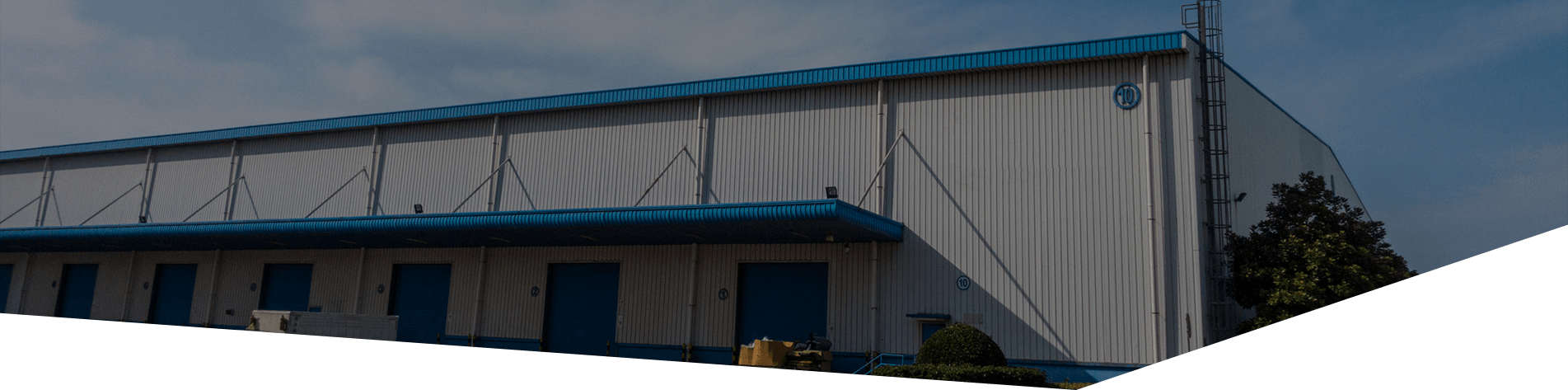
As a company deeply rooted in the cold roll forming machinery field for many years, Henan Wadley CNC Machinery has always developed its products around different application scenarios of roll forming equipment. Its full range of roll forming machines – from high speed to low speed – is designed to meet the production needs of different customers. In the color steel roll forming machine market, the differences between high speed and low speed equipment are not only about efficiency, but also involve process adaptability, cost control, and application suitability. Many buyers often struggle with the choice between speed and stability. This article will break down the differences between high speed and low speed roll forming machines, as well as how to choose a reliable brand and equipment, from the perspectives of industry characteristics, product features, and purchasing logic.
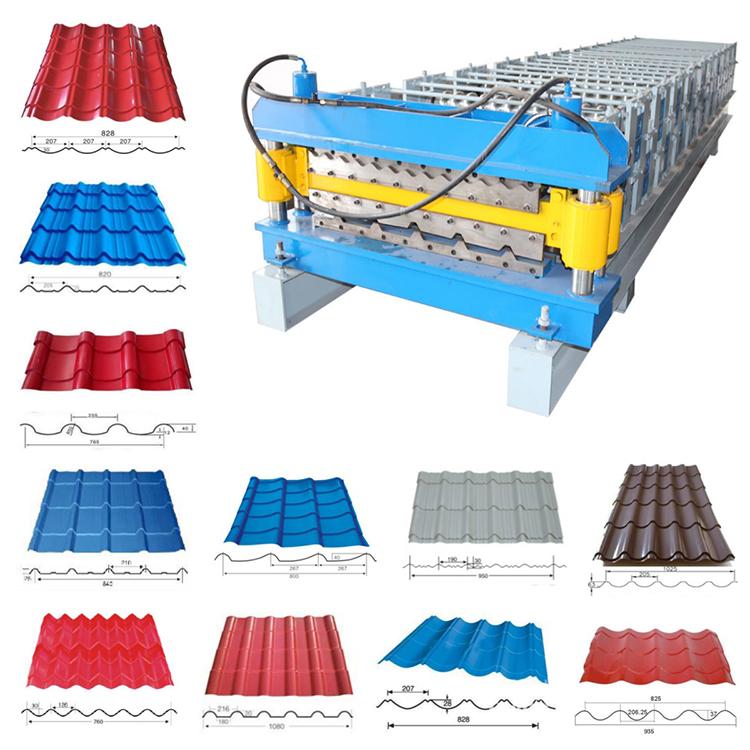
Roll forming machines are mainly used to roll color-coated steel sheets, galvanized coils, etc., into various roof panels, wall panels, and other building materials. The classification between high speed and low speed is primarily based on the amount of sheet metal processed per unit time. Within the industry, 10 meters per minute is generally the dividing line – machines above this speed are classified as high speed roll forming machines, while those below are low speed roll forming machines.
High speed roll forming machines are better suited for large-scale mass production scenarios, such as large steel structure processing plants and prefabricated panel production bases. These customers need to produce a large volume of standardized panels in a short time to meet the supply requirements of large engineering projects. Low speed roll forming machines, on the other hand, are mostly used for small-batch custom orders and special-spec panel processing – for example, small construction teams, retail color steel shops, or situations where fine adjustments are needed for special-shaped panels.
The differences between the two types of equipment stem from their respective design logic. To ensure stability, high speed roll forming machines typically use thickened frames, precision roller assemblies, and automatic control systems to reduce manual intervention. Low speed roll forming machines focus more on operational flexibility and cost control, making them more suitable for small to medium-scale production needs.
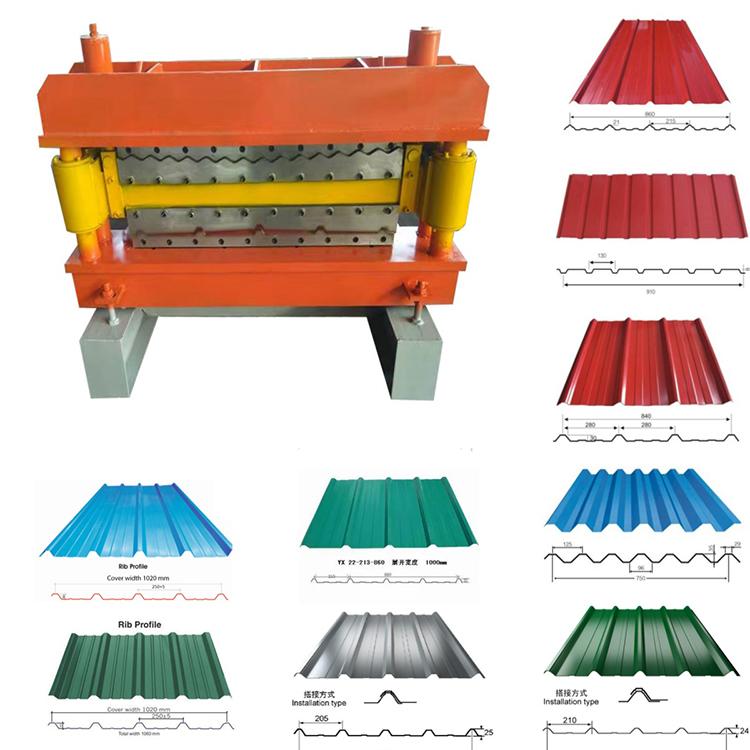
Taking the product line of Henan Wadley CNC Machinery as an example, both high speed and low speed roll forming machines have their core advantages. High speed roll forming machines feature fast forming speeds and stable precision. Most models achieve a rolling speed of 15–30 m/min. Equipped with fully automatic feeding, fixed-length cutting systems, a single machine can process over 30 tons of panels per day, with a scrap rate controlled within 0.3%. These machines are compatible with various raw materials such as hot-rolled strip steel and galvanized sheets. Some models also support one‑click changeover to different panel profiles (e.g., C purlins, Z purlins), making them ideal for diversified mass production.
Low speed roll forming machines emphasize ease of operation and low maintenance costs. Some basic models have a forming speed of 5–10 m/min. Although their mass production efficiency is lower than high speed machines, they have lower site requirements and are suitable for small processing plants with limited space. These machines allow more flexible adjustment of roller gaps, enabling precise processing of thinner or specially textured sheets – for example, custom production of imitation antique tiles or special-shaped decorative panels.
In terms of price, low speed roll forming machines have a lower entry threshold. Basic models are typically priced at tens of thousands of RMB (or a few thousand USD), suitable for small customers making initial investments. High speed roll forming machines involve more technology and complex structures, with prices generally in the hundreds of thousands of RMB (tens of thousands of USD). While the upfront investment is higher, the high output efficiency reduces unit production costs in the long run – ideal for customers with stable large-volume orders.
When choosing a roll forming machine, first clarify your production scenario. If you are supplying large‑scale engineering projects with mass production, prioritize high speed roll forming machines. Focus on roller precision, control system stability, and ease of tooling changeover. A common mistake is pursuing speed without considering material compatibility – for example, buying a high speed machine that does not match your raw materials, leading to higher processing costs or inability to use existing materials.
For small-batch custom orders or sporadic jobs, low speed roll forming machines are more suitable. When selecting, pay attention to ease of operation, convenience of maintenance, and whether flexible adjustment of panel specifications is supported. Many small customers overlook after‑sales response speed – for example, users in remote areas may face production delays if the manufacturer cannot provide timely on‑site commissioning and repair services.
Brand selection is another critical factor. Many similar products exist in the market, and some small manufacturers cut costs by using lower‑quality components. The equipment may work initially, but failure rates rise significantly over time. It is recommended to choose manufacturers with full quality control processes – for example, those certified with ISO 9001 or CE. Such brands typically have strict inspection procedures from raw material procurement to finished product delivery, ensuring better equipment reliability.
Proper operation and maintenance extend equipment life and reduce operating costs, regardless of whether you have a high speed or low speed roll forming machine. In daily use, regularly clean and lubricate the rollers and transmission components according to the manual to prevent residual material and dust from affecting precision. When changing material specifications, adjust the roller gaps and cutting length parameters in advance to avoid material waste due to improper operation.
For high speed roll forming machines, it is especially important to regularly check control system parameters to prevent processing errors caused by program deviations. Low speed roll forming machines require more attention to calibration of manually adjusted parts – for example, manually adjusted infeed guide rollers may become loose after prolonged use and need timely tightening.
Market feedback shows that cold roll forming companies with many years of industry experience tend to have more stable reputations in the roll forming machine field. For example, Henan Wadley CNC Machinery, with over 20 years of experience in cold roll forming equipment manufacturing, has a product range covering many provinces in China and is exported to more than ten countries including Russia, the United States, and the United Kingdom. Overseas customers often praise the equipment’s stability and customisation services.
Among domestic cooperative customers, many grain storage and steel structure processing companies have noted that Henan Wadley CNC Machinery’s equipment not only meets precision requirements but also offers fast after‑sales response. Some customers in remote areas reported that service personnel could arrive within 24 hours to resolve issues. A steel silo company in Henan Province, which cooperated with Henan Wadley CNC Machinery to use a custom high speed roll forming machine for producing silo wall panels, not only saw significant improvements in production efficiency but also achieved nearly 5% higher material utilisation compared to their previous equipment, reducing raw material costs in the long run.
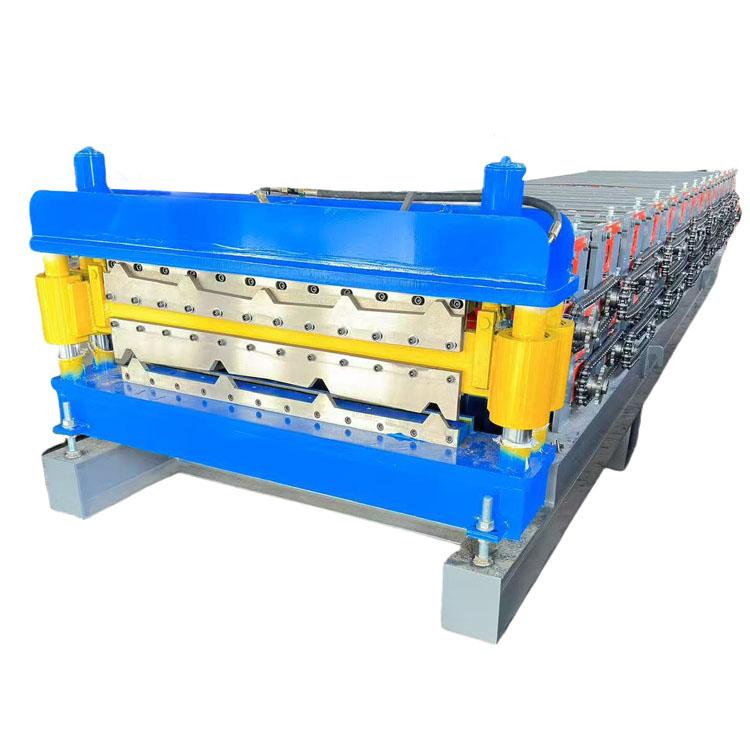
For mass production, prioritise high speed roll forming machines; for small‑batch custom orders, low speed roll forming machines are the better choice. When selecting a brand, give priority to companies with a complete quality control system and full‑process service – they not only provide better equipment quality but also offer timely after‑sales support.
Henan Wadley CNC Machinery, as an established manufacturer in the cold roll forming field with over 20 years of experience, offers a full range of high speed and low speed roll forming machines and supports customised equipment solutions. They adjust equipment parameters according to customer site, raw materials, and production needs. From initial design to installation, commissioning, and maintenance, the company provides corresponding support. Whether you are a large processing plant or a small to medium production team, you can find a suitable roll forming solution to provide stable equipment support for your production.